
Schools
Schools play an important role in helping nature recover and thrive – now and in the future. The LNRS provides a way for schools to connect learning to local places, support pupil wellbeing, and help young people understand their role in caring for nature in Shropshire and Telford & Wrekin.
We have produced a guide for primary schools and secondary school / post-16 settings to help make the LNRS relevant for schools. The guide offers ideas, maps and priorities that schools can use voluntarily and in ways that fit their setting, curriculum and capacity.
How schools can use the LNRS
Support learning in and about nature
The LNRS can help schools link classroom learning to real local habitats and landscapes, explore topics such as biodiversity, rivers, climate change and land use and make learning relevant to pupils’ own communities.
Bring the curriculum to life
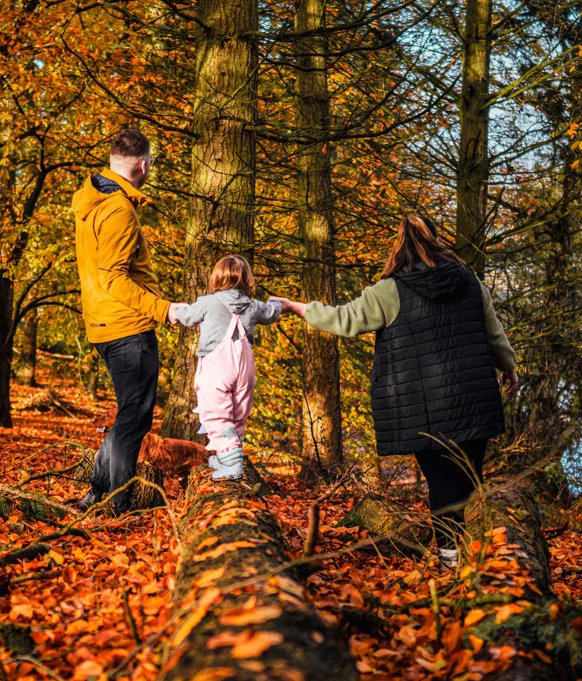
LNRS themes and maps can support learning across all subjects. Simple activities might include habitat mapping, learning about pollinators, exploring local rivers or designing small improvements for wildlife. Spending time learning outdoors and engaging with nature supports curiosity, wellbeing and long‑term understanding of environmental challenges.
Use school grounds as places for nature
School grounds can be fantastic places for nature recovery and outdoor learning. The LNRS can help schools think about making spaces more wildlife‑friendly (for example through planting or leaving areas to grow) or using grounds for hands‑on learning and observation. Actions can be modest and gradual – every school can take part in a way that suits them.
Connect pupils to their local area
Using the LNRS encourages pupils to understand local landscapes and habitats and see how nature supports people and communities. This helps build a stronger connection between young people, nature and place.
LNRS priorities most relevant to schools
The LNRS map prioritises action in the places where the data says are the best opportunities to focus energy for nature. Take a look at the map to see if land where your school is has been prioritised and to see the type of suggested actions that have been mapped. Some relevant actions include creating new ponds, restoring wildflowers on verges and making green areas more diverse with different habitats. Add some deadwood, sow seeds for plants that pollinators like, plant some trees or perhaps leave a messy area and use it as a basis for an experiment to see what comes to live in it and compare it with an area of mown grass.